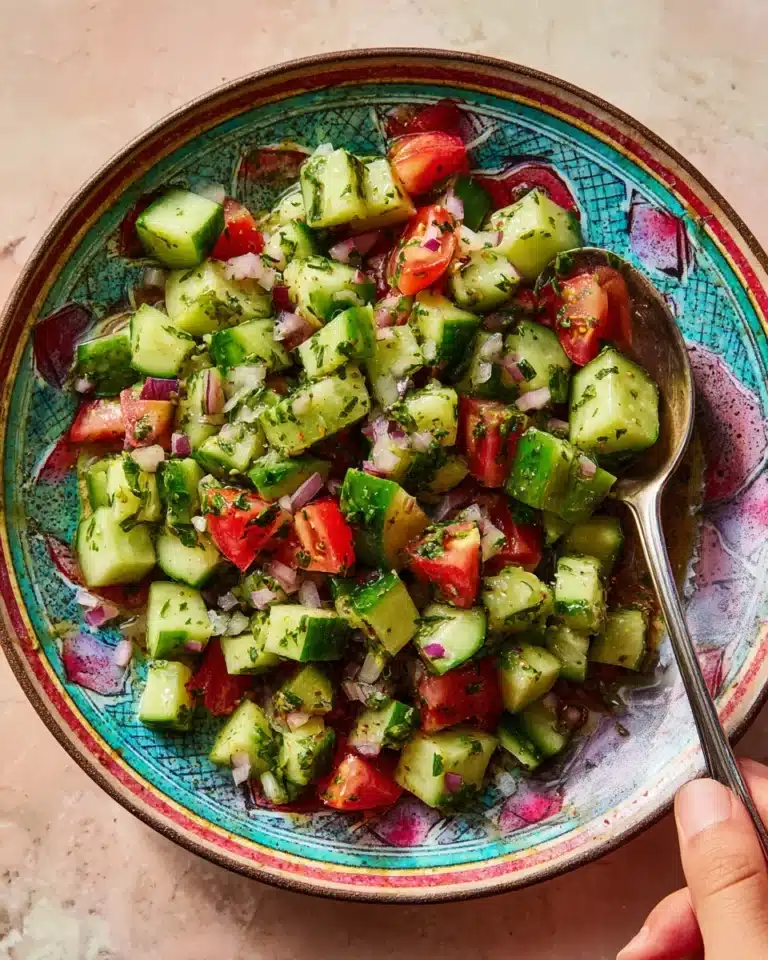

If you’ve ever wanted to experience the true heart of Kerala’s cuisine in a single dish, the Kerala Avial Recipe will take you there with every spoonful. This divine medley of fresh seasonal vegetables gently simmered with grated coconut, curry leaves, and a hint of cumin creates a symphony of flavors and textures that’s comfort on a plate. Bound together with a subtle sourness from tamarind, raw mango, or curd, Avial is not just a side dish—it’s a celebration of Kerala’s vibrant food tradition that feels like a warm hug from home.
Ingredients You’ll Need

Preparing Kerala Avial is delightfully straightforward, relying on simple, fresh ingredients that each bring their own magic to the dish. The layered textures of the vegetables combined with the creamy coconut paste and aromatic curry leaves make all the difference in taste and visual appeal.
- Seasonal Vegetables: A colorful array including raw banana, carrots, vellari, elephant yam, long beans, jackfruit seeds, brinjal, snake gourd, ivy gourd, drumstick, and pearl onions for variety and authenticity.
- Sour Agents (choose one): Raw mango strips, tamarind soaked in warm water, or sour curd add that signature tangy punch to balance the creaminess.
- Grind Ingredients: Cumin seeds and freshly grated coconut form a coarse, aromatic paste that ties the dish together.
- Flavorings: Green chilies, turmeric, salt, curry leaves, and coconut oil enhance the taste with depth and fragrance.
- Water: Just enough to gently cook the vegetables without making them soggy.
How to Make Kerala Avial Recipe
Step 1: Prepare the Vegetables
Start by washing and peeling the vegetables as needed. Cut the drumsticks into 3-inch pieces, and slice the other vegetables into half-centimeter thick strips approximately 2 inches long. Arranging them in even layers ensures everything cooks uniformly, with tougher veggies at the bottom.
Step 2: Layer and Cook
In a heavy-bottomed pot, lay down the vegetables in layers starting with those that take longer to cook, such as elephant yam and raw banana. Scatter the green chilies and a few curry leaves across the layers, then sprinkle turmeric and salt evenly. Drizzle water over gently to keep the veggies moist but not soupy. Cover the pot and cook over medium heat for 10 minutes, allowing the steam to work its magic.
Step 3: Grind the Coconut-Cumin Paste
While the vegetables simmer, grind half a teaspoon of cumin seeds with one cup of lightly packed grated coconut into a coarse paste without adding any water. This paste is the soul of the Kerala Avial Recipe, imparting its creamy texture and fragrant spice.
Step 4: Combine and Simmer
Once the vegetables are tender, check and cook a bit more if needed. Add the coconut-cumin paste and gently mix in pearl onions if using, crushing them slightly for sweetness. Cover and cook on low heat for another 5 minutes—it’s when all those flavors really meld.
Step 5: Add Sourness and Final Touches
Remove the lid and pour in your chosen sour agent—tamarind water, raw mango strips, or curd—and carefully turn the veggies to coat every piece with the seasoning. Adjust salt as needed, then turn off the heat. Drizzle 1 to 2 tablespoons of fragrant coconut oil on top and scatter fresh curry leaves for that unmistakable aroma. Cover and let the Avial rest for at least 30 minutes to allow the flavors to mature beautifully.
How to Serve Kerala Avial Recipe

Garnishes
A simple sprinkle of fresh curry leaves and a final drizzle of coconut oil right before serving brings out the earthy fragrances of this dish. For an extra pop, some chefs love adding a few mustard seeds tempered in oil tossed on top for crunch and aroma.
Side Dishes
Kerala Avial pairs incredibly well with steaming hot rice and a dollop of ghee or traditional Kerala-style stew and appam. It’s also fantastic alongside roasted meats or simple dal, offering a fresh, tangy counterpoint to rich, heavy flavors.
Creative Ways to Present
For a festive touch, serve Kerala Avial in banana leaves to connect with its cultural roots. You can also transform it into a salad bowl with a sprinkle of toasted grated coconut and fresh coriander. Its vibrant colors make it a visual delight on any dining table.
Make Ahead and Storage
Storing Leftovers
Leftover Kerala Avial stores well in an airtight container in the refrigerator for up to 2 days. The flavors deepen but make sure to bring it to room temperature gently before reheating to maintain the texture of the vegetables.
Freezing
While freezing is possible, the texture of the vegetables may soften further upon thawing. If you do freeze it, pack portions in freezer-safe containers and consume within 1 month for the best taste.
Reheating
Reheat Kerala Avial on low heat in a saucepan, stirring occasionally and adding a splash of water if needed to loosen the paste. Avoid microwave reheating if possible as it can make the veggies tougher and unevenly heated.
FAQs
What vegetables can I use if I cannot find traditional Kerala ones?
You can substitute with local vegetables like zucchini, green beans, potatoes, and pumpkin. The key is to maintain a mix of soft and firm vegetables cut into similar sizes to cook evenly.
Can Kerala Avial be made vegan?
Absolutely! This dish is naturally vegan as it uses no dairy products. The creamy texture comes from coconut, and the finishing touch of coconut oil keeps it plant-based and flavorful.
Is it necessary to use sour curd or tamarind?
The sourness is essential to balance the creamy coconut and sweet vegetables. You can choose one of the sour agents mentioned or adjust according to your palate to achieve the authentic tangy profile.
How spicy is Kerala Avial? Can I adjust the heat?
This dish is mildly spiced, with green chilies adding gentle heat. You can control the spice level by the number of chilies you add or remove them altogether for a very mild version.
Can Kerala Avial be served warm or cold?
It’s traditionally served at room temperature or slightly warm, allowing the flavors to settle. However, many enjoy it chilled as a refreshing dish, especially in warm weather.
Final Thoughts
There’s something truly special about the Kerala Avial Recipe that goes beyond its ingredients—it’s a dish that invites you to slow down, savor fresh garden goodness, and connect with a beautiful culinary heritage. I wholeheartedly encourage you to try making this vibrant dish at home. Once you do, it will surely become one of your go-to favorites that brightens up any meal.
Print
Kerala Avial Recipe
- Total Time: 40 minutes
- Yield: 6 servings
- Diet: Vegetarian
Description
Kerala Avial is a traditional South Indian vegetable side dish featuring a medley of seasonal vegetables cooked with grated coconut, cumin seeds, curry leaves, and a souring agent such as raw mango, tamarind, or curd. This vibrant and flavorful dish is gently simmered and finished with coconut oil, making it a wholesome and aromatic addition to any meal.
Ingredients
Vegetables
- 1 Small Raw Banana
- 1 Carrot
- Small piece of Vellari (Cucumber)
- Small piece of Elephant Yam
- Few Long Beans
- 5 – 6 Jackfruit Seeds
- 1 Small Brinjal (Eggplant)
- 4 Inch Padavalanga (Snake Gourd)
- 5 – 6 Kovakka (Ivy Gourd)
- 2 – 3 Drumsticks
- 4 – 5 Pearl Onions (optional)
Souring Agent (Choose One)
- 1/2 cup Raw Mango strips
- Marble-sized ball of Tamarind
- 1/2 cup Sour Curd
To Grind
- 1/2 teaspoon Cumin Seeds
- 1 cup Grated Coconut, lightly packed
Flavorings
- 2 – 3 Green Chilies (to taste)
- 1/2 teaspoon Turmeric
- Salt to taste (about 1/2 teaspoon)
- A few Curry Leaves
- 1 – 2 tablespoons Coconut Oil
- 1/2 cup Water
Instructions
- Prepare Tamarind Water (if using tamarind): Soak the marble-sized ball of tamarind in 1/4 cup warm water to soften while you prepare the vegetables.
- Cut Vegetables: Slice the drumsticks into 3-inch long pieces. Cut all other vegetables into strips approximately 1/2 cm thick and 2 inches in length.
- Layer Vegetables in Pot: In a pot, add the vegetables in layers starting with the ones that take longer to cook (like raw banana and yam) at the bottom, then the others on top. Add the green chilies and a few curry leaves throughout the layering. Sprinkle salt and turmeric evenly over the vegetables. Drizzle 1/2 cup water slowly over everything.
- Cook Vegetables: Cover the pot with a lid and cook over medium heat for about 10 minutes until vegetables are tender but not mushy; check occasionally and cook longer if necessary.
- Grind Coconut and Cumin: While the vegetables cook, grind the grated coconut and cumin seeds together into a coarse paste without adding water.
- Add Coconut Paste and Onions: Once vegetables are cooked, add the ground coconut-cumin paste to the pot. If using pearl onions, crush them and add at this stage. Cover and simmer on low heat for another 5 minutes to blend the flavors.
- Add Sourness and Mix: Remove the lid and add the prepared tamarind water or sour curd for the sour note. Gently turn the vegetables so the spices and sour agent coat each piece evenly. Taste and adjust salt as needed.
- Finish with Coconut Oil: Turn off the heat. Drizzle the coconut oil over the top and add a few fresh curry leaves. Cover with the lid and let Avial rest for at least 30 minutes to allow flavors to mature beautifully before serving.
Notes
- Vegetables should be cut uniformly to ensure even cooking; start with root vegetables like raw banana, yam, and carrots as they take longer to cook.
- Use any available seasonal vegetables for variation; traditional choices include snake gourd, ivy gourd, drumsticks, and jackfruit seeds.
- Pearl onions are optional but add a sweet, aromatic flavor if included.
- The sour agent can be chosen based on availability: raw mango, tamarind, or sour curd—all provide the characteristic tangy taste.
- Resting the Avial after cooking enhances the melding of flavors and improves taste.
- Prep Time: 15 minutes
- Cook Time: 15 minutes
- Category: Side Dish
- Method: Stovetop
- Cuisine: Indian