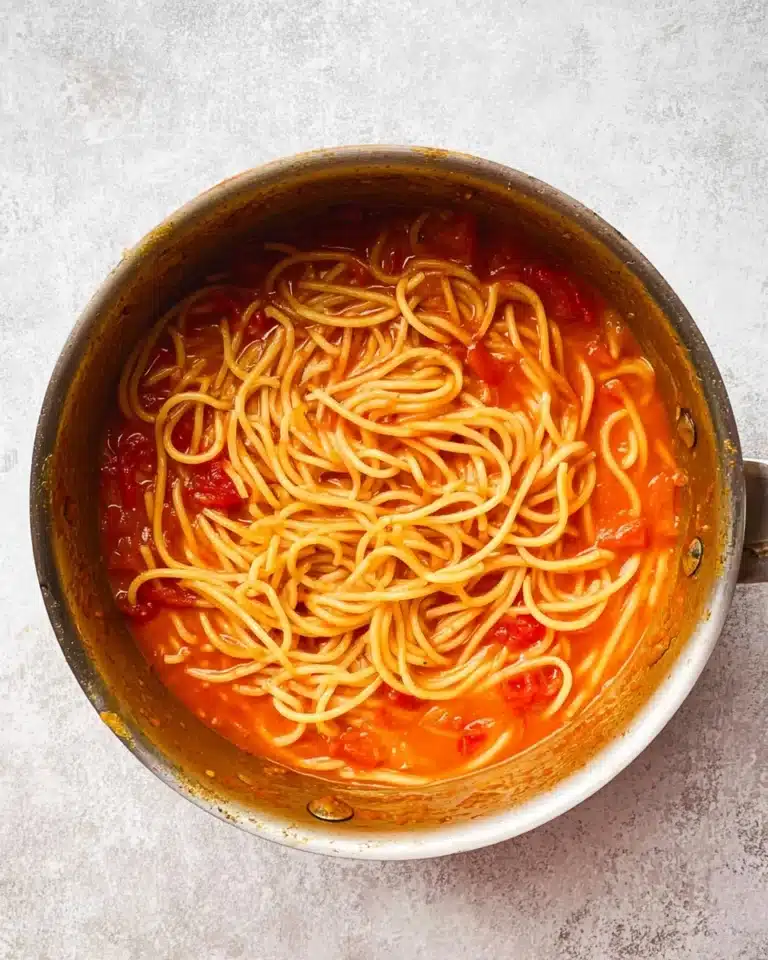

If you’re craving a comforting meal with a bold, exciting twist, this Gochujang Bolognese Recipe is exactly what you need. The savory, slightly spicy kick from gochujang melds beautifully with the rich, hearty meat sauce, creating layers of flavor that are both familiar and intriguingly different. Creamy and deeply satisfying, this dish offers a lovely fusion that elevates a classic bolognese into something truly special and unforgettable.
Ingredients You’ll Need

The beauty of this recipe lies in its straightforward but flavorful ingredients. Each one plays a vital role in building the perfect balance of taste, texture, and color—from the sweetness of the diced vegetables to the earthy meat blend and the bright, creamy finish. Here’s what you’ll gather before we start cooking:
- 14 ounces pasta: Choose your favorite shape; it will soak up the sauce wonderfully.
- 1 tbsp olive oil: A good base for sautéing that adds a hint of fruitiness.
- 1 tbsp unsalted butter: Adds silkiness and richer mouthfeel to the sauce.
- 1 yellow onion – diced: Provides sweetness and aromatic depth when softened.
- 1 carrot – peeled and diced: Adds subtle sweetness and a touch of color.
- 4 garlic cloves – minced: Essential for that warm, fragrant bite.
- 1 celery stalk – chopped: Offers a mild bitterness and crunchy texture.
- 1 pound ground beef: Brings hearty richness and savory depth.
- 1 pound ground chicken: Lightens the sauce while adding moist texture.
- 2 tsp dried thyme: Earthy herb that enhances the meaty flavors.
- 3 tbsp tomato paste: Concentrated tomato flavor helps thicken and enrich the sauce.
- 3 tbsp Gochujang sauce: The star ingredient providing umami-packed heat and complexity.
- ½ cup beef broth: Adds moisture and deepens the savory notes.
- 2 cans (14 oz/400 g) crushed tomatoes: Forms the tangy, robust foundation of the sauce.
- 1 ½ cup half-and-half: Brings creaminess and balances the spice perfectly.
- 2 bay leaves: Infuses gentle aromatic flavor during simmering.
- ½ cup grated Parmesan + rind (optional): Adds salty, nutty depth for a decadent finish.
How to Make Gochujang Bolognese Recipe
Step 1: Prepare Your Vegetables
Start by peeling and dicing your carrot, mincing the garlic, dicing the onion, and chopping the celery. Having everything prepped ahead makes the cooking process smooth and enjoyable, and these vegetables will provide a wonderful base to build your sauce.
Step 2: Sauté the Aromatics
In a large heavy-bottomed pot, heat the olive oil and butter over medium heat. Add the diced onion, minced garlic, carrot, and celery, then sauté them for about 5 minutes until they soften and release those amazing fragrant aromas that hint at the deliciousness to come.
Step 3: Brown the Meat
Next, add the ground beef and ground chicken to the pot. Break the meat apart with your spoon and cook until it’s browned evenly. This step locks in savory flavors and forms the hearty backbone of your sauce.
Step 4: Bring in the Flavor Boosters
Stir in the dried thyme, gochujang sauce, and tomato paste. The gochujang adds a unique spicy depth while the tomato paste intensifies the sauce’s richness. Make sure everything is mixed thoroughly so the flavors meld perfectly.
Step 5: Deglaze and Simmer
Pour in the beef broth to deglaze the pot, scraping up any browned bits sticking to the bottom. Let it simmer for about one minute to meld these savory elements before adding the crushed tomatoes, half-and-half, Parmesan rind, and bay leaves. Stir well and let the sauce simmer gently for at least 20 minutes to thicken and develop those incredible flavors.
Step 6: Cook the Pasta
While the sauce simmers, cook the pasta in generously salted boiling water until just one minute before al dente. Remember to reserve ½ cup of the pasta cooking water before draining; this starchy liquid will help you adjust the sauce’s consistency when mixing.
Step 7: Finish the Sauce and Combine
Remove the bay leaves, then stir the grated Parmesan into your sauce until melted and silky. Toss the pasta into the sauce, adding a splash of reserved pasta water if it needs loosening. That final touch makes a beautifully glossy, clingy sauce coating every strand.
How to Serve Gochujang Bolognese Recipe

Garnishes
A sprinkle of freshly grated Parmesan or a few torn basil leaves elevates the presentation and adds fresh bursts of flavor. A light drizzle of good olive oil or a pinch of red pepper flakes can also add a little flair and excitement.
Side Dishes
This dish pairs wonderfully with a crisp green salad drizzled with lemon juice to cut through the creaminess. Garlic bread or a crusty baguette is perfect for sopping up the rich sauce. Roasted or steamed seasonal vegetables bring balance and additional texture to the meal.
Creative Ways to Present
For a special occasion or just to impress at dinner, serve the Gochujang Bolognese Recipe over creamy polenta or even spiralized vegetables for a lighter alternative. Layer it as a baked pasta casserole with some mozzarella sprinkled on top for a bubbly, golden crust. The possibilities are endless and delicious!
Make Ahead and Storage
Storing Leftovers
Store any leftover Gochujang Bolognese in an airtight container in the refrigerator for up to three days. The flavors actually deepen after resting, so leftovers are just as delightful as fresh.
Freezing
This sauce freezes beautifully. Portion it out into freezer-safe containers, and it will keep for up to two months. Just thaw overnight in the fridge before reheating for a quick and satisfying meal anytime.
Reheating
When reheating, warm the sauce gently on the stovetop over low heat, stirring frequently to avoid sticking. Add a splash of water, beef broth, or milk to loosen the sauce if it has thickened too much. The microwave works too, but stir every 30 seconds to heat evenly.
FAQs
Can I use a different type of pasta?
Absolutely! Spaghetti, fettuccine, rigatoni, or even penne all work really well with this sauce. Pick whatever you love or have on hand.
Is gochujang very spicy?
Gochujang adds moderate heat with rich umami flavor. It’s not overwhelmingly spicy, but you can adjust the amount based on your heat tolerance.
Can I make this ahead of time?
Yes! The sauce actually tastes even better the next day after the flavors have melded, making it a fantastic make-ahead option.
Can I make this without cream?
You can skip the half-and-half for a lighter sauce, but it will be less creamy and more tomato-forward.
What can I use instead of Parmesan?
Other hard cheeses like Pecorino Romano or Grana Padano are good substitutes, though Parmesan gives the most classic flavor.
Final Thoughts
I can’t recommend trying this Gochujang Bolognese Recipe enough if you’re looking for a meal that wraps comfort and bold flavor into every bite. It’s both comforting and exciting, creamy but with just the right amount of spicy heat. Whip this up for your next dinner and watch it become a new favorite in your kitchen.
Print
Gochujang Bolognese Recipe
- Total Time: 50 minutes
- Yield: 4 servings
Description
This Gochujang Bolognese recipe offers a comforting yet bold twist on classic Italian meat sauce by incorporating the deep, savory heat of Korean gochujang. The combination of ground beef and chicken creates a rich texture, while the addition of half-and-half and Parmesan cheese lends a creamy finish. Prepared on the stovetop with aromatic vegetables and simmered to develop layers of flavor, this hearty sauce pairs perfectly with pasta for a satisfying meal with a spicy, umami-packed punch.
Ingredients
For the Sauce
- 1 tbsp olive oil
- 1 tbsp unsalted butter
- 1 yellow onion, diced
- 1 carrot, peeled and diced
- 4 garlic cloves, minced
- 1 celery stalk, chopped
- 1 pound ground beef
- 1 pound ground chicken
- 2 tsp dried thyme
- 3 tbsp tomato paste
- 3 tbsp gochujang sauce
- ½ cup beef broth
- 2 cans (14 oz/400 g each) crushed tomatoes
- 1 ½ cups half-and-half
- 2 bay leaves
- ½ cup grated Parmesan cheese + Parmesan rind (optional)
For the Pasta
- 14 ounces pasta (spaghetti, fettuccine, or rigatoni recommended)
- Salt (for pasta water)
Instructions
- Prepare the Vegetables: Peel and dice the carrot, mince the garlic, dice the onion, and chop the celery so all ingredients are ready to add to the pot.
- Sauté the Vegetables: Heat olive oil and butter over medium heat in a large heavy-bottomed pot. Add diced onion, minced garlic, carrot, and celery. Sauté for about 5 minutes until the vegetables become soft and fragrant.
- Cook the Meat: Add ground beef and ground chicken to the pot, breaking them up into small pieces as they cook. Stir in dried thyme, gochujang sauce, and tomato paste, ensuring all meat is thoroughly coated and evenly mixed.
- Deglaze the Pot: Pour in the beef broth and scrape the bottom of the pot to lift any browned bits. Let it simmer for about 1 minute to enhance flavor.
- Add Liquids and Simmer: Stir in the crushed tomatoes, half-and-half, Parmesan rind if using, and add bay leaves. Mix well and let the sauce simmer gently for at least 20 minutes to thicken and develop flavors.
- Cook the Pasta: Meanwhile, bring a large pot of generously salted water to a boil. Add pasta and cook according to package instructions, stopping about 1 minute before al dente. Reserve ½ cup of pasta cooking water, then drain the pasta.
- Finish the Sauce: Remove bay leaves from the sauce, then stir in the grated Parmesan cheese until melted and incorporated, giving the sauce a creamy texture.
- Toss Pasta and Sauce: Combine the drained pasta with the sauce, adding reserved pasta water as needed to loosen the sauce and help it cling to the pasta evenly.
- Serve: Plate the pasta warm and enjoy the rich, spicy, and creamy flavors of this unique Gochujang Bolognese.
Notes
- For a leaner meat option, substitute ground chicken with ground turkey.
- Add mushrooms, zucchini, or spinach for extra texture and nutrition.
- Adjust the amount of gochujang to control spice level; increase for more heat or reduce for a milder sauce.
- To make a lighter version, omit the half-and-half but note the sauce will be less creamy.
- Use other hard cheeses like Pecorino Romano if Parmesan is unavailable, though it will alter the flavor slightly.
- Leftovers keep well in the refrigerator for up to 3 days or can be frozen for up to 2 months.
- When reheating, add a splash of water, broth, or milk to loosen the sauce.
- Reserving pasta water helps loosen the sauce and lets it cling better to the pasta.
- Combining two types of meat adds depth, but using just one type of meat works fine as well.
- Prep Time: 10 minutes
- Cook Time: 40 minutes
- Category: Main Dish
- Method: Stovetop
- Cuisine: Fusion (Italian-Korean)