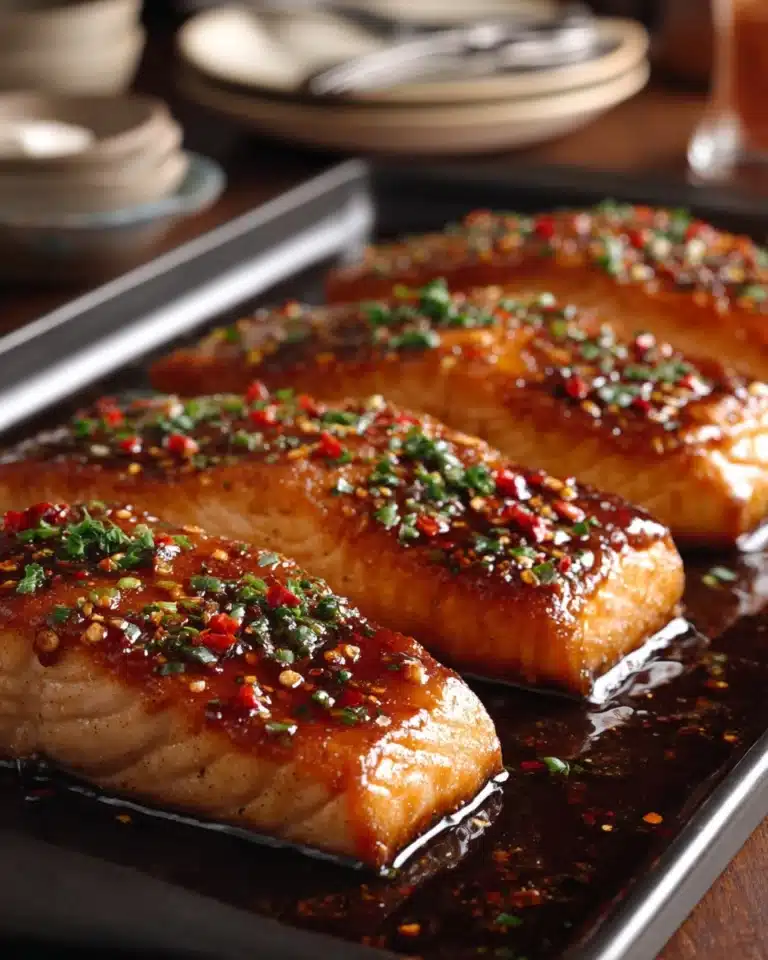

If you love vibrant flavors and quick weekday dinners that feel both exotic and comforting, this Thai Coconut Shrimp Curry Recipe is about to become your new go-to. Bursting with plump shrimp, sweet bell peppers, and a luxuriously creamy coconut curry sauce that dances with just the right amount of spice, this dish brings together textures and tastes in perfect harmony. It’s a dish that feels special but cooks up in under 30 minutes, making it a fabulous weeknight winner or an impressive meal for friends and family.
Ingredients You’ll Need

The magic of this recipe lies in its beautifully simple, yet essential ingredients. Each element contributes to the depth of flavor, the lovely texture, or the vibrant color that makes every bite so satisfying.
- 1 pound shrimp: Peeled and deveined, these juicy morsels are the star protein of the dish.
- 1 tsp low sodium soy sauce: Adds a subtle umami undertone without overpowering the curry.
- ½ tsp red pepper flakes: Gives the shrimp a gentle kick of heat, balancing the creaminess.
- ½ tsp turmeric: Brightens the color and lends a warm, earthy flavor.
- 1 tsp garlic powder: Brings depth and savory richness to the shrimp seasoning.
- ¼ tsp white pepper: Offers mild heat and a peppery aroma that is uniquely delicate.
- 1 tbsp vegetable oil: Perfect for sautéing and adding just enough fat to carry the flavors.
- 1 tbsp unsalted butter: Adds silkiness to the curry sauce and helps meld ingredients.
- 1 bell pepper: Sliced for sweetness and vibrant red color.
- 4 garlic cloves: Freshly grated for aromatic intensity.
- 1 tbsp freshly grated ginger: Brings a light zing and warmth to the sauce.
- 1 shallot: Finely chopped for a subtle oniony sweetness.
- ½ cup chicken broth: Or vegetable broth, to deglaze and add savory moisture.
- 3 tbsp Thai red curry paste: The heart of the curry, offering spice and rich flavor complexity.
- 2 tsp brown sugar: Balances the heat with just a touch of sweetness.
- ½ tsp turmeric, cumin, coriander, and ¼ tsp white pepper: A fragrant spice blend rounding out the curry’s flavor profile.
- 2 tbsp low sodium soy sauce: Deepens the savory notes in the curry.
- 1 tbsp fish sauce: Adds authentic pungent savoriness essential in Thai cooking.
- 1 can (14 oz/400 ml) unsweetened coconut milk: The creamy soul of the sauce, rich and smooth.
- ½ lime, juiced: Provides lively acidity to brighten and balance the dish.
- 1 tsp sriracha (optional): For those who love an extra layer of heat.
- 1 handful torn Thai basil: Adds fresh, anise-like herbal notes to finish.
- Toppings (scallions, fried onions, cilantro, chili pepper): These add crunch, color, and fresh complementing flavors on top.
How to Make Thai Coconut Shrimp Curry Recipe
Step 1: Season the Shrimp
Start by mixing the shrimp with soy sauce, red pepper flakes, turmeric, garlic powder, and white pepper in a bowl. This simple marinade ensures every shrimp is bursting with flavor even before hitting the pan, setting the foundation for the curry’s succulent bite.
Step 2: Prep Your Aromatics and Veggies
While the shrimp marinates, grate the garlic and ginger, finely chop the shallot, and slice the bell pepper. This prep is essential to building the layered flavors that make this curry so irresistible.
Step 3: Sear the Shrimp
Heat the vegetable oil and butter in a large skillet over high heat, then add the shrimp in a single layer. Sear them quickly, about one minute per side, just until they turn pink and slightly caramelize. Remove the shrimp from the skillet and set aside to keep that beautiful sear intact.
Step 4: Sauté Vegetables and Build the Sauce
In the same skillet, toss in the sliced bell pepper and sauté for around five minutes until it softens slightly and releases its natural sweetness. Add the grated garlic, ginger, and chopped shallot, cooking until fragrant—this usually takes about two minutes. Deglaze the pan with chicken broth, scraping up those flavorful browned bits from the bottom, then let it simmer for two minutes to concentrate the flavors.
Step 5: Create the Curry Base
Stir in the Thai red curry paste followed by brown sugar, turmeric, cumin, coriander, white pepper, soy sauce, and fish sauce. Let these spices cook and meld for about a minute, stirring frequently to awaken their aromas. Pour in the coconut milk and bring the sauce to a boil before lowering the heat to simmer; this step is key to achieving the perfect creamy texture. Let simmer for five minutes or until the sauce thickens slightly.
Step 6: Finish and Combine
Add fresh lime juice, optional sriracha, and torn Thai basil leaves; stir everything together beautifully. Return the seared shrimp to the pan, gently tossing them in the sauce and simmering for no longer than a minute—this keeps shrimp tender and juicy rather than rubbery. You’ve now got an irresistible curry ready to delight.
How to Serve Thai Coconut Shrimp Curry Recipe

Garnishes
The toppings truly elevate this dish. Scatter scallions, fried onions, fresh cilantro, and thinly sliced chili peppers on top. These garnishes add crunch, contrasting textures, and bursts of herbal freshness, creating layers of flavor and exciting visuals that make each spoonful a celebration.
Side Dishes
This curry pairs beautifully with a simple side of steaming jasmine rice, whose fragrant softness perfectly balances the rich sauce. For added freshness and crunch, serve alongside a cucumber salad dressed with lime juice and a sprinkle of chili flakes, which cuts through the dish’s creaminess in the best possible way.
Creative Ways to Present
For a dinner party, serve the curry in individual bowls topped with edible flowers or fresh Thai basil sprigs for an elegant touch. Alternatively, present it in a large, colorful serving bowl surrounded by small dishes of garnishes and sides, allowing everyone to customize their curry experience at the table. It’s both inviting and interactive!
Make Ahead and Storage
Storing Leftovers
Place any leftover curry in an airtight container and keep it in the refrigerator for up to three days. The flavors often deepen after resting, making each subsequent bite even more enjoyable. Just be sure to cool it before storing to maintain freshness.
Freezing
This Thai Coconut Shrimp Curry Recipe freezes well, though shrimp can toughen when frozen and reheated. For best results, freeze the curry sauce separately without the shrimp and add fresh cooked shrimp when reheating. Store in a freezer-safe container for up to two months.
Reheating
Gently reheat the curry on the stovetop over low to medium heat, stirring occasionally to prevent the coconut milk from separating. If frozen, thaw overnight in the refrigerator. If you froze the sauce separately, heat it first and then stir in pre-cooked shrimp just to warm through—for juicy shrimp every time.
FAQs
Can I use frozen shrimp for this recipe?
Yes, you can use frozen shrimp, but make sure to thaw them completely and pat dry before seasoning and cooking. This will help achieve that perfect sear and prevent excess water from diluting the sauce.
Is it possible to make this dish vegetarian?
Absolutely! Swap out the shrimp for firm tofu or chickpeas, and use vegetable broth instead of chicken. Also, skip fish sauce and substitute with a splash of soy sauce or a vegetarian-friendly fish sauce alternative for that authentic flavor.
How spicy is this Thai Coconut Shrimp Curry Recipe? Can I adjust it?
The curry has a mild to medium heat level thanks to the red curry paste and optional sriracha. If you prefer it milder, reduce the amount of curry paste or leave out the sriracha. For those who love spice, feel free to add more chili flakes or fresh chili slices.
What can I substitute for Thai red curry paste if I can’t find it?
If Thai red curry paste is unavailable, a blend of red chili powder, garlic, lemongrass, and a bit of shrimp paste or miso can make a quick substitute, but for the authentic taste, it’s worth seeking out the real deal in international or Asian grocery stores.
Can I make this recipe gluten-free?
Yes! Use gluten-free soy sauce or tamari, ensure your curry paste is gluten-free (many brands are), and use naturally gluten-free chicken or vegetable broth. This way, you’ll enjoy all the flavor without worry.
Final Thoughts
This Thai Coconut Shrimp Curry Recipe is a shining example of how a handful of everyday ingredients can come together to create something truly special. Its creamy, spicy, and aromatic character will have you coming back for seconds—and probably thirds. Whether you’re new to Thai cooking or a longtime fan, this dish is sure to warm your heart and delight your taste buds. Give it a try and watch it become one of your favorite weeknight meals!
Print
Thai Coconut Shrimp Curry Recipe
- Total Time: 30 minutes
- Yield: 4 servings
Description
This Thai Coconut Shrimp Curry is a quick and easy dish featuring plump shrimp and vibrant bell peppers simmered in a creamy, slightly spicy coconut sauce. The combination of Thai red curry paste, fresh ginger, garlic, and traditional spices creates a flavorful and comforting curry perfect for a weeknight dinner. Finished with fresh herbs and optional spicy toppings, this curry is sure to be a crowd-pleaser.
Ingredients
Shrimp
- 1 pound shrimp – peeled and deveined
- 1 tsp low sodium soy sauce
- ½ tsp red pepper flakes
- ½ tsp turmeric
- 1 tsp garlic powder
- ¼ tsp white pepper
Coconut Curry
- 1 tbsp vegetable oil
- 1 tbsp unsalted butter
- 1 bell pepper – sliced
- 4 garlic cloves – grated
- 1 tbsp freshly grated ginger
- 1 shallot – finely chopped
- ½ cup chicken broth (or vegetable broth)
- 3 tbsp Thai red curry paste
- 2 tsp brown sugar
- ½ tsp turmeric
- ½ tsp ground cumin
- ½ tsp ground coriander
- ¼ tsp white pepper
- 2 tbsp low sodium soy sauce
- 1 tbsp fish sauce
- 1 can (14 oz / 400 ml) unsweetened coconut milk – full fat
- ½ lime – juiced
- 1 tsp sriracha (optional)
- 1 handful of torn Thai basil
Toppings
- Scallions
- Fried onions
- Cilantro
- Chili pepper
Instructions
- Marinate the Shrimp: In a bowl, combine the peeled and deveined shrimp with low sodium soy sauce, red pepper flakes, turmeric, garlic powder, and white pepper. Stir well to coat and set aside while you prepare other ingredients.
- Prepare Aromatics and Vegetables: Grate the garlic cloves and fresh ginger, finely chop the shallot, and slice the bell pepper into strips. Having all these prepped before cooking helps the process go smoothly.
- Sear the Shrimp: Heat the vegetable oil and unsalted butter in a large skillet over high heat. Place the shrimp in a single layer and sear for 1 minute on each side until just cooked through. Remove the shrimp from the skillet and set aside to prevent overcooking.
- Sauté Vegetables and Aromatics: In the same skillet, add the sliced bell pepper and sauté for about 5 minutes until it begins to soften. Then add the grated garlic, ginger, and chopped shallot, cooking until fragrant and tender, about 2 minutes.
- Deglaze and Simmer: Pour in the chicken broth to deglaze the skillet, stirring and scraping up the browned bits from the bottom with a wooden spoon. Allow it to simmer for 2 minutes to concentrate the flavors.
- Add Curry Paste and Spices: Stir in the Thai red curry paste, brown sugar, turmeric, cumin, coriander, white pepper, soy sauce, and fish sauce. Cook for 1 minute while stirring frequently to toast the spices and blend the flavors.
- Add Coconut Milk and Reduce: Pour in the full-fat unsweetened coconut milk and bring the mixture to a boil. Reduce to a simmer and cook for about 5 minutes until the sauce thickens slightly and flavors meld together.
- Finish the Curry: Add the lime juice, optional sriracha, and torn Thai basil leaves. Stir everything together, then return the cooked shrimp to the skillet. Simmer for no longer than 1 minute to reheat the shrimp without overcooking.
- Serve and Garnish: Serve the curry hot, topped with scallions, fried onions, cilantro leaves, and chili pepper as desired. This dish pairs beautifully with steamed rice and a crunchy cucumber salad for a refreshing contrast.
Notes
- For best flavor, use fresh herbs like Thai basil and fresh ginger.
- You can substitute chicken broth with vegetable broth for a vegetarian-friendly version, but omit shrimp for that adaptation.
- Adjust the spiciness by adding more or less red pepper flakes and sriracha according to your taste.
- Serve immediately after adding shrimp to keep them tender and juicy.
- This recipe freezes well; reheat gently on the stovetop to avoid curdling the coconut milk.
- Prep Time: 10 minutes
- Cook Time: 20 minutes
- Category: Main Course
- Method: Stovetop
- Cuisine: Thai